
The Scoop on Food as Medicine
“Food as medicine” is a holistic approach that recognizes the critical role of diet in preventing and managing chronic diseases. By focusing on nutrient-dense, whole foods, this concept emphasizes using dietary choices to promote health, improve clinical outcomes, and reduce the reliance on pharmaceuticals. Integrating nutrition into health care allows providers to address the root causes of illness and empower patients toward healthier lifestyles.
Definitions
Medically Tailored Meals (MTMs) are a particular type of ‘food is medicine’ intervention – they are highly targeted meal plans designed to meet specific medical needs for patients who have barriers to sourcing and preparing meals without assistance. They focus on treatment for individual patients, which distinguishes them from many prevention-oriented food programs. MTM programs provide a significant amount of a household’s daily food needs, usually through direct delivery to the home. Often these meals are prescribed for a specific time frame, for example during cancer treatments, a high-risk pregnancy or immediately following a hospital stay. Meals may also be longer-term supports, with ongoing engagement from medical providers to recertify and adjust the dietary plans.
The national Food is Medicine Coalition defines MTMs as the following:
Medically tailored meals are delivered to individuals living with severe illness through a referral from a medical professional or healthcare plan. Meal plans are tailored to the medical needs of the recipient by a Registered Dietitian Nutritionist (RDN), and are designed to improve health outcomes, lower cost of care and increase patient satisfaction.
Therapeutic Meals are specially prepared meals designed to support health and well-being, typically for individuals with specific dietary needs due to chronic health conditions. These meals are formulated to be balanced and nutritious, helping to manage or alleviate symptoms, promote recovery, and improve overall health.
Medically Tailored Meals (MTMs) are a subset of therapeutic meals, but with a more specific focus. MTMs are personalized to meet the exact medical and nutritional needs of an individual based on their medical diagnosis, such as diabetes, heart disease, or severe allergies. These meals are often prescribed by health care providers and are designed to support specific medical treatments.
The key difference between therapeutic meals and medically tailored meals lies in the level of customization. While therapeutic meals are generally nutritious and supportive of health, MTMs are highly specific, customized to the unique medical needs of the patient, and are often an integral part of a prescribed treatment plan.
“Produce prescriptions” are health care initiatives where clinicians prescribe fruits and vegetables to patients, often those with diet-related chronic conditions or food insecurity. These prescriptions typically provide patients with vouchers or direct access to fresh produce, encouraging healthier eating habits and improving overall health outcomes by integrating nutrition directly into patient care.
“Food Farmacies” are health care programs or initiatives that provide patients with access to healthy, nutrient-dense foods, often as part of a broader treatment plan for managing chronic diseases like diabetes, hypertension, or obesity. These programs typically operate within health care settings, offering patients food resources, nutrition education, and sometimes cooking classes, all aimed at improving their health through better dietary choices. The term “Food Farmacy” underscores the idea of food being used as a form of medicine to prevent and treat illness.
What do Medically Tailored Meals entail?
Nutrition Services in Medically Tailored Meals
One defining characteristic of Medically Tailored Meals programs is that they integrate community resources (prepared meals, meal delivery) with medical services (medical referrals, clinical nutrition). Nutrition as part of food and health programs covers a range of approaches, from introductory cooking classes up to clinical treatment from licensed providers. Meals-based food interventions can take a number of approaches to how they integrate different levels of nutrition services for their patients.
Factors to consider when designing a MTM Program:
For example, we can review the elements of MTMs that indicate which meal format is the best option for a patient:
- Patients have a combination of medical condition with clinically indicated dietary treatment and a level of complexity that makes the meal format necessary.
- Dietary complexity includes advanced cooking skills – such as modifying textures, managing side effects of treatment (including impact on taste), and/or ability to layer meals to address multiple conditions / dietary constraints.
- Other factors to think about when determining the appropriate type of meal format include: limited mobility, disability, housing instability, brief transition period to diet modification following new diagnosis, an intensive phase as part of structured lifestyle medicine program with later phases introducing new cooking & menu planning skills.
There are also common elements in integration with the health care system:
- Health care providers or payers make the referral to the meals program.
- Program includes access to Registered Dietitian (RD) services, including initial assessment and ongoing counseling & adjustments to dietary plan. This access is in addition to RD-designed menu templates.
- Participants have access to clinical services for monitoring progress towards health goals.
- Ideally, this would include a “closed loop” between the primary care provider and the meal provider to share health information.
- Integration into health care payer plans – which includes policies for qualifying diagnoses, length of intervention (and recertification for extension), services codes, and credentialed providers.
Factors influencing MTM Success:
How a meals program is intended to impact health outcomes, for which conditions, and over what time frame also has implications for the design of the non-clinical elements of a food program, including:
- Amount of food provided (>50% of weekly food needs), plus storage capacity to match.
- Ability to handle food production complexity – including matching the RD specifications, tailoring to individual diets, adjusting individuals’ meal plans as treatments change, and managing turnover as some participants are enrolled for short durations while others have longer term needs.
- Options for home delivery and removing transportation barriers – including plan for food safety & temperature control.
- Communications systems with health care providers that can accept referrals, manage personal health information privacy concerns, and integrate with health care’s existing IT platforms.
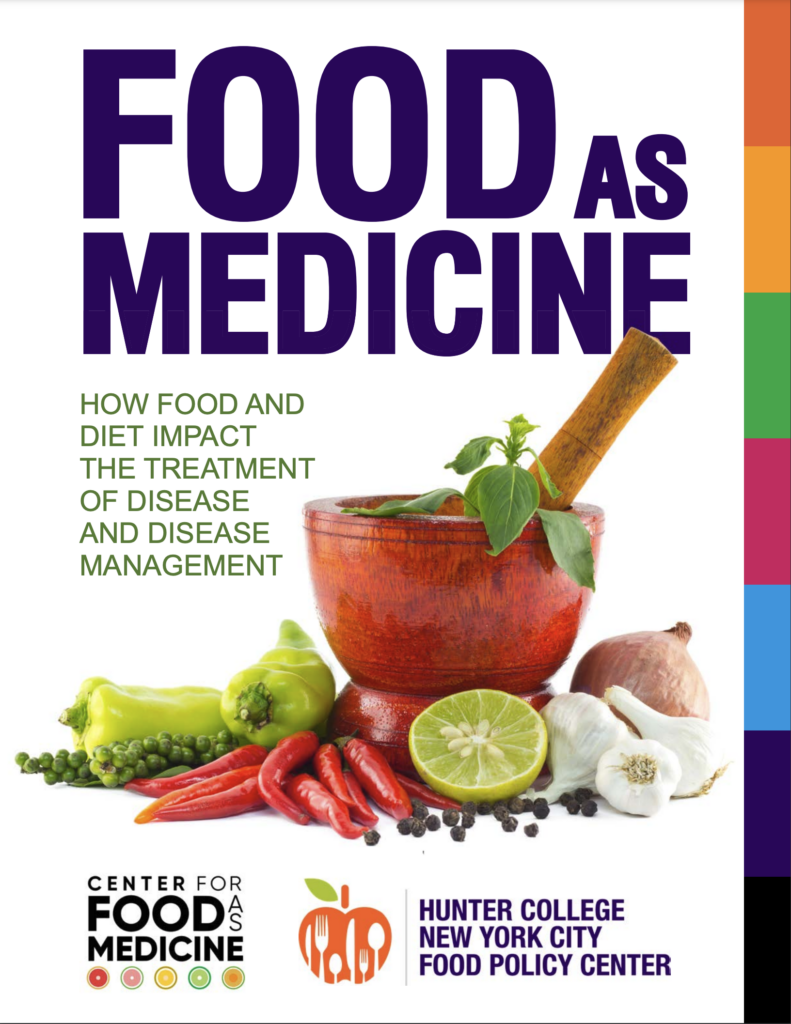
Food as Medicine Report
There is overwhelming evidence demonstrating the impact of food and diet on health, specifically among food-related diseases. Whether or not a poor diet can cause damage to the body should no longer be debated, as evidence supports the potential causal relationships between dietary factors and diet-related diseases such as ischemic heart disease, diabetes, and certain cancers. While diet has the potential to cause disease, it is also capable of building, maintaining, and restoring health. The report, written in conjunction with the Hunter College NYC Food Policy Center, aims to bridge the gap between traditional medicine and the use of food as medicine in the prevention and treatment of disease.
This comprehensive narrative review and report is divided into five parts, including: 1) background information on the history of using food to treat disease, 2) modern challenges to widespread use and acceptance of food as medicine practices, 3) current evidence about contemporary food as medicine practices (such as medically tailored meals, produce prescriptions, and functional foods), 4) literature review of food as treatment for specific disease states, and 5) recommendations to stakeholders, including policymakers, health care professionals, and academics. Learn more on foodmedcenter.gov
Examples of successful programs
Community Servings founded in 1990, they have provided more than 13 million MTMs to clients across Massachusetts.
God’s Love We Deliver located in New, NY, this program is one of the largest and oldest providers of medically tailored meals.
Open Table provides medically tailored meals for individuals with chronic illnesses and food insecurity. The program is designed to support both individuals and families with nutritious, health focused meals. Located in Concord and Maynard MA.
Mom’s Meals is a nationwide program that partners with health care organizations and insurance providers to deliver meals tailored to specific health conditions. They work with doctors and health care providers to ensure meals meet patients’ dietary requirements.
MANNA located in Philadelphia, PA, MANNA partners with hospitals, clinics and health plans to provide medically tailored meals to people living with serious illnesses. Overseen by Registered Dieticians, their approach includes a comprehensive nutrition assessment and tailored meal plans.
Resource Corner
Data and Resources
- MNT report
- Aspen Food Food is Medicine Action Plan

Contact Us
Interested in learning more? Contact us at Bi-State Primary Care Association for more information.