Farm to Table Collaborations
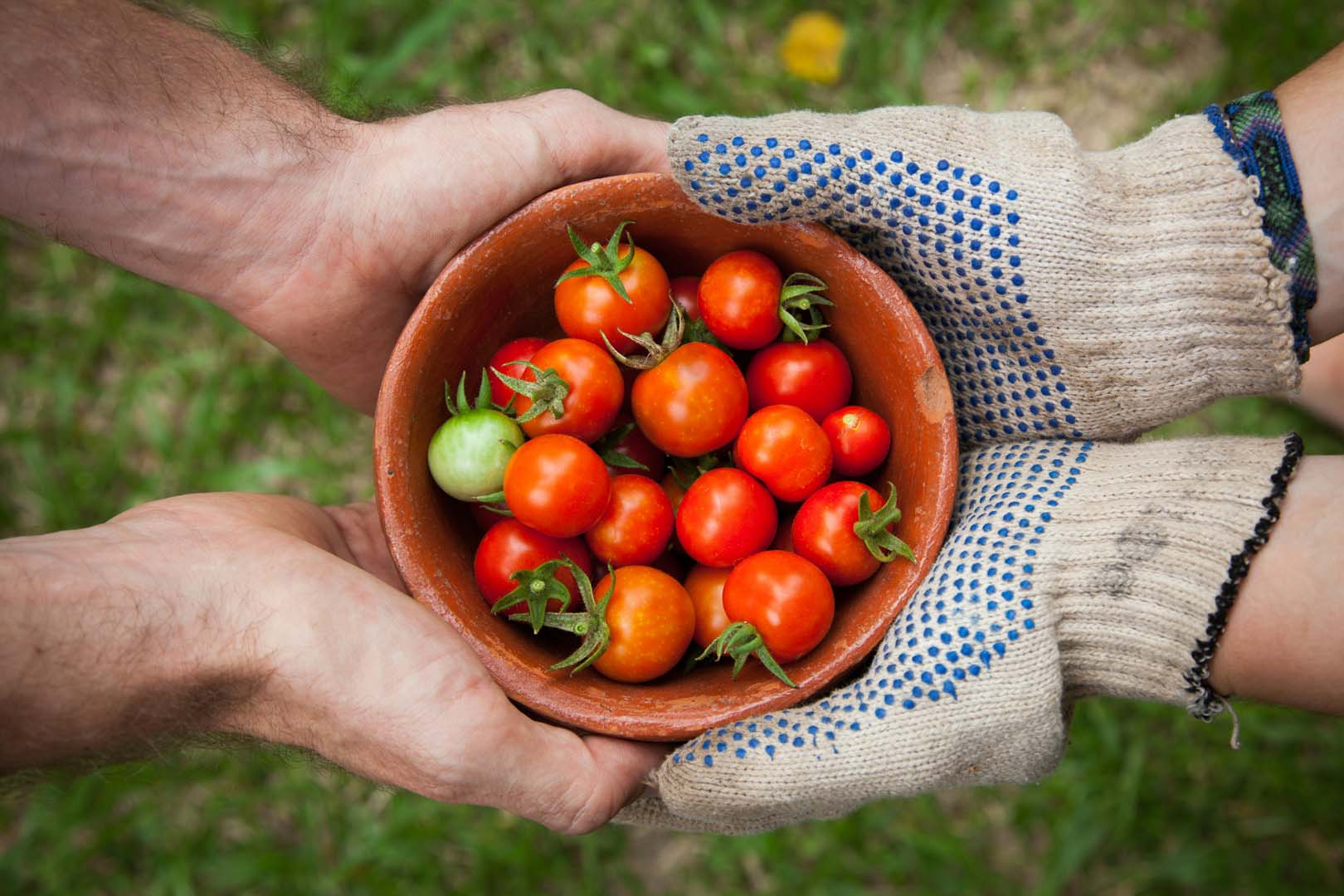
Farm-to-table collaborations in Vermont are redefining the way communities think about food. By connecting local farms directly with restaurants, schools, and health care institutions, these partnerships are fostering a sustainable food system that supports both local economies and healthy eating. Vermont’s rich agricultural heritage, combined with a commitment to fresh, organic produce, ensures that more people have access to nutritious, locally sourced meals.
CSAs Map

The Vermont Food Security Roadmap
The Vermont Food Security Roadmap to 2035 aims to ensure that by 2035, all Vermonters are food secure. This plan, developed by VT Farm to Plate over 24 months with input from over 600 people, focuses on systemic and policy changes rather than individual interventions. It leverages existing resources, community innovations, and recent experiences to create permanent, equitable food security for all Vermonters. Now is the time to act and build a future where everyone has access to the food they need to stay healthy and nourished.
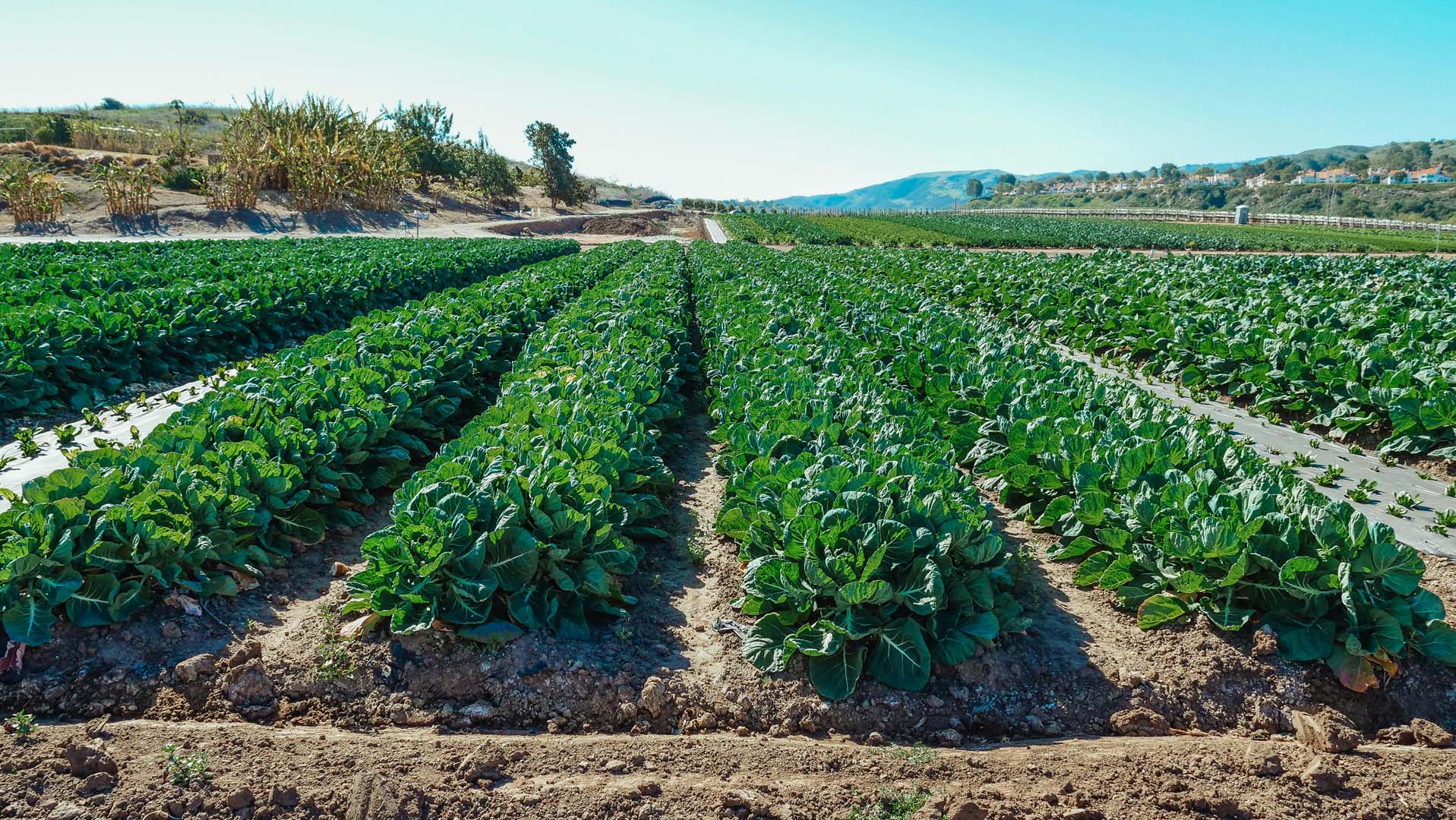
How this process works between farms and health centers
CSA-style programs tend to focus on providing produce, but they may include more types of food. Often there is overlap between these two program types, especially with organizations that have a broader mission of increasing consumption of local food. These are listed separately because they do not include a retail grocery / changing the conventional retail environment element. Another similar intervention is a Food Box, which combines different food types to cover broader grocery needs. We have these listed under Medically Tailored Food Pantry.
Below we feature Vermont CSA programs that work directly with health care providers. Other programs offer subsidized shares for families facing food insecurity but not necessarily with a health care connection. To find out more about this broader world of food access through CSAs, contact the Community Food Access program at NOFA-VT .
In 2022, the Vermont Farmers and Food Center (VFFC), NOFA-VT and FAHC are piloting a CSA and Health Care Community of Practice through VT Farm to Plate.
Community Supported Agriculture and Health Care
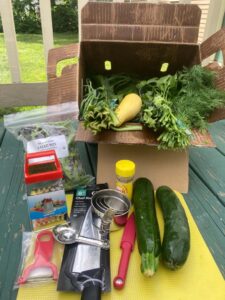
In Vermont, Community Supported Agriculture (CSA) programs have been one of the leading produce prescription formats. CSA for health care programs provide a subscription to weekly food shares for households with a goal of preventing diet-related health conditions and/or in response to an existing condition or clinical indicator of risk. Referrals come from a health care provider’s office. Programs last approximately 12 – 16 weeks, primarily in summer, although some programs offer extended seasons.
CSA in Health
In 2021, Vermont’s Farm-to-Plate Network, with support from FAHC, launched the CSA and Health Care Community of Practice. The Vermont Farmers Food Center (VFFC) serves as the convener, with support from Bi-State Primary Care Association staff.
This Community of Practice emerged as part of a Farm-to-Plate organizational restructuring, replacing the Food and Health cross cutting team. This shift was designed to bring focus to a very broad topic area (food and health) in a way that aligned with the local food systems interests of Vermont Farm-to-Plate.
The Community of Practice explains the choice of the new approach in this way:
The goals of the CSAs have a unique role to play in the intersection of local food and health in Vermont. This model is one of the most mature farm + health care practice connections in our state, this style of program is familiar to both local food organizations and health care professionals. Plus, we have a good mix of well-established CSA and health care programs and newer programs getting started. There seem to be many opportunities for peer-connection. These programs also have many points in common with evidence-based health programs used outside of Vermont, creating a context for learning from national and regional groups. With our collective experience in CSA-Health Care connections, we can pinpoint specific gaps and areas for development to explore. This development can be helped with input from people who have particular expertise (clinical, reimbursement, logistics, etc.), who may not have capacity to meet with multiple individual programs but could lend perspective in a group setting.
We believe that a peer-based Community of Practice is a useful way to approach the big topic of food and health, which can be overwhelming without additional focus.
Examples of Vermont CSA and Health Care programs include:
- Vermont Farmers Food Center – Food Farmacy program (Rutland County)
- Addison County Relocalization Network – Farmacy program (Addison County)
- Health Care Shares – Vermont Youth Conservation Corps (multiple regions in Vermont)
- Bounty Share- Salvation Farms & Lamoille Health Partners (Lamoille County). See also the Salvation Farms handbooks on gleaning and processing gleaned foods
- UVM Medical Center offers a CSA program in complement to their Culinary Medicine work on chronic pain management.
- Healthy Roots Collaborative (Northwestern Vermont)
Many CSA programs in Vermont also offer supported shares that are closer to a nutrition incentive structure, for example NOFA Farm Share, NOFA Senior Share, and Intervale Supported Shares. Care coordinators can include as options for community resources, information on the community resource referral process is available here.
To learn more about VT’s CSA and Health Care Program, check out their 2025 Data Report.

Contact Us
Interested in learning more? Contact us at Bi-State Primary Care Association for more information.