Health Center Food Programs
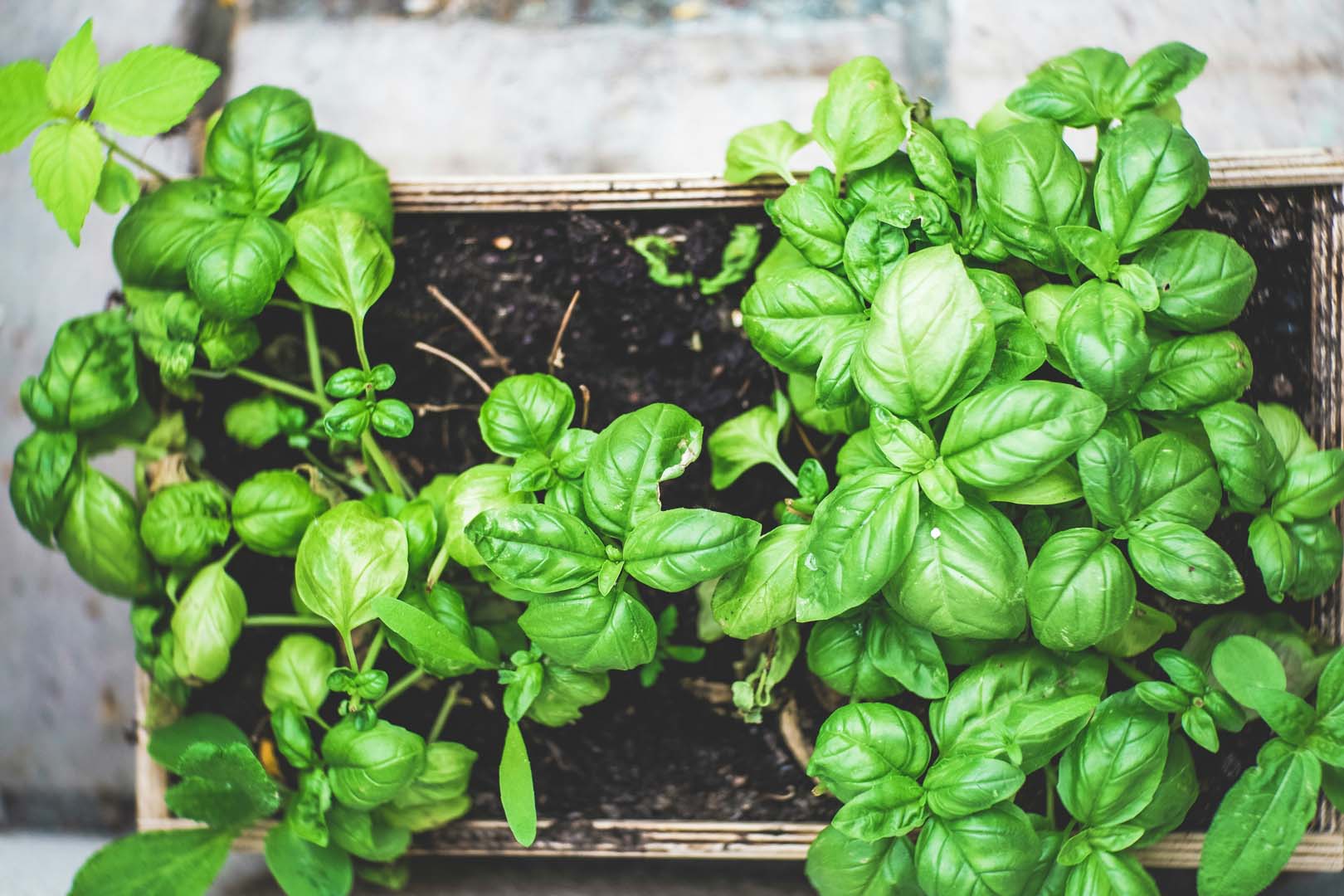
In Vermont and New Hampshire, Federally Qualified Health Centers (FQHCs) are implementing “Food as Medicine” programs, bridging the gap between health care and nutrition. By collaborating with local farms and food programs, FQHCs are addressing food insecurity while promoting healthier lifestyles for patients. These centers are prescribing “produce prescriptions,” offering nutritional education, and providing access to wholesome food as part of a broader effort to improve health outcomes, particularly for those with chronic illnesses. This approach reflects Vermont’s innovative commitment to fostering a healthier, more food-secure population.
HRHI Webinar
The webinar titled “Food Access and Health Care Integration,” part of the VRHA Training Series, discusses the growing intersection of food access and health care. Presenters from Vermont FQHCs emphasize the importance of addressing food insecurity through health interventions like produce prescriptions and food pharmacies, highlighting successful case studies and practical strategies for health care providers to integrate these services into patient care. This discusses the critical role of food and dietary intervention in promoting health and managing illness/chronic conditions.
Watch the full webinar here: Food Access and Health Care Integration
NACHC Webinar
The National Association of Community Health Centers (NACHC) presented a webinar on: Cultivating Gardening and Farming Programs at Community Health Centers to Address Food and Nutritional Insecurity. A recording of the webinar can be found here: YouTube channel .
Health Center Highlights

BVHC
Works with a number of community partners such as the Hannah’s Pantry, Veggie Van Go, Grateful Hearts and the Arlington Food Shelf to increase access to fresh fruits and vegetables and pantry staples for patients who are lacking reliable access to sufficient food.
LHP
Screened patients for food insecurity and partnered with Meals on Wheels, Moms Meals and Instacart to have heart healthy foods delivered to eligible patients. In addition to providing food, LHP offered cooking classes. With the end of grant funding and no reimbursement mechanisms in Vermont, this program is no longer active. The LHP program operated from 2022 to 2025.

LRHC
The Little Rivers Health Care Food Farmacy supports nutrition security by integrating food access directly into patient care. All patients are screened at check-in using the Hunger Vital Signs tool on an iPad. Those who screen positive—especially individuals at risk for cardiovascular disease—are referred to the Food Farmacy for tailored nutrition support. The program provides condition-specific food boxes designed around lifestyle medicine guidelines, emphasizing plant-based, whole-food options that are low in sodium, added sugar, and highly processed ingredients.
The Food Farmacy has expanded beyond its original focus on patients with chronic conditions and food-access barriers. It now offers meal delivery for patients who are pregnant or up to four months postpartum who face challenges accessing nutritious foods essential for a healthy pregnancy. In-clinic food pantries are also being refreshed and redesigned to align with food-as-medicine principles and remain available, without barriers, to any patient who walks through our doors.
This work is made possible through partnerships with Willing Hands, the Vermont Foodbank, and Root 5 Farm, which provided summer CSA shares for participating patients.

NOTCH
Operates a a non-profit social grocery store in Richford, Vermont to ensure access to fresh, nutritious foods are available to residents of this remote, rural community. For patients who screen positive for food insecurity and are at risk for a chronic health condition, they partner with Healthy Roots Collaborative to offer a seasonal produce prescription CSA program which delivers fresh fruits and vegetables to patients across Franklin and Grand Isle counties. Additionally, a small fresh produce pantry can be found in the NOTCH clinic waiting rooms, and cooking and nutrition education classes are offered at the Richford Health Center and community partner sites across the region. NOTCH has also been involved in projects related to grocery retail based produce prescription modeling.
ACHS
Focuses on addressing diabetes, hypertension and substance use disorders for patients in rural communities, through food security and transportation. Food security is addressed through a Portable Teaching Kitchen initiative that educates participants on creating healthy, affordable meals using local resources in under 30 minutes. The program partners with local stores, farms, food pantries, and other community resources to enhance participants’ cooking skills and nutrition awareness. A transportation solution connects riders with trusted drivers to access health care, food, and other daily necessities. It uses a neighbor-to-neighbor model supported by community health workers to foster trust and logistical support.
Tips and Tricks for Starting a Produce Prescription Program
A Produce Prescription Program is a health initiative that provides patients, especially those with diet-related chronic conditions, with prescriptions or vouchers to purchase fresh fruits and vegetables, most commonly through a Community-Supported Agriculture (CSA) share. These programs are typically designed to improve access to healthy food, promote better dietary habits in order to enhance health outcomes. Implementing a produce prescription program in a Federally Qualified Health Center (FQHC) involves several key steps to ensure the program is successful, sustainable and consistent with the mission of FQHC’s to improve health outcomes and support vulnerable populations regardless of ability to pay.
Implementing a produce prescription program or a medically tailored meal program is going to require extensive planning time. There are many considerations that must be discussed, partnerships to be explored and short and long-term goals put into writing. Below are few questions to think about to get started.
1. What are your short- and long-term goals? What impact do you ultimately want to make?
a. Creating a mission, vision and strategic purpose may be helpful in guiding this work moving forward.
2. Who is the initial planning team?
a. A team may be small to start, but including a variety of team players will be the key to success. Is there a provider champion involved? Registered Dietitian? A program coordinator to oversee the logistics? Technology support? Community Health Worker (CHW)?
b. Do any job descriptions need to be developed or revised?
c. Establish frequent times to meet in the initial stages of building the program.
3. Who do you want to reach with your program?
a. Which communities will you be impacting? What rural considerations should you be thinking about? Is there someone with lived experience you could consult with? Is there a target population such as older adults, or people who screen positive for food insecurity?
4. What is already being done in the community and what is the need you are targeting?
a. Are you planning to expand upon a program? Or reach new participants?
5. What external partners will you be working with?
a. Farmers, local organizations such as faith-based organizations or others such Meals on Wheels?
6. Would MOUs, MOAs, or BAAs be helpful in securing any partnerships? If likely, consider having a template already made.
7. What is the referral process going to look like for your program?
8. Is there funding available for your program?
- Conduct a community needs assessment to determine the prevalence of diet-related chronic conditions, food insecurity, and other barriers to healthy food access. This can be done in a variety of ways, such as surveys, focus groups, 1:1 interview, and looking at social risk data.
- Engage patients and staff to understand their needs and potential interest in a produce prescription program.
Partner with organizations that can support your program, such as local farms, food network programs, farmers markets, and food retailers to provide fresh, locally grown produce to participants. Building strong relationships with community food providers is essential for success.
Collaborate with state or local public health agencies and other relevant organizations (e.g., food banks, public health departments) to secure resources and guidance.
Identify patient eligibility criteria, such as those with chronic conditions like diabetes, hypertension, or obesity, or those facing food insecurity. Consider how your Electronic Medical Record (EMR) can be used to identify potentially eligible patients.
Determine the scope of the prescriptions (e.g., vouchers, direct access to produce, CSA shares) and how patients will redeem them. This may require evaluating the Electronic Medical Record (EMR) platform for program enrollment and documentation. Technology support for including this in the workflow may needed. Determine the monetary value of the offerings and track them. Become familiar with any local or federal laws that pertain to offering these types of programs to patients, to ensure compliance.
Establish a workflow for clinicians to screen for food insecurity and prescribe produce during medical visits. How often will these screenings take place, and at which visits? Consider conducting other screens as well, such as for transportation
needs, nutritional needs, depression, and other screenings relevant to the person’s situation. Determine and evaluate what appropriate referrals should take place as a result of a positive screen, such as referral to a nutritionist, CHW, transportation assistance, housing assistance, etc.
Integrate nutrition education into the program offering cooking classes or consultations with a dietitian to ensure patients know how to use the produce effectively.
Consider how you will track patient enrollment which may be in your EMR or a separate database. What information will you need in the short term and long term?
Explore funding opportunities, such as grants, state programs, or private foundations, to cover costs. Programs like the USDA’s GusNIP (Gus Schumacher Nutrition Incentive Program) can be a resource.
Seek in-kind support from partners such as farmers, local food hubs, and volunteers.
Create systems for distributing produce and tracking prescription use. This could involve vouchers or electronic systems for redemption at participating vendors. Consider if additional support will be needed in order to distribute the produce. This might include volunteers to help with food packaging, distribution, or other tasks.
Implement electronic health record (EHR) integration to track screening, prescriptions and evaluate patient outcomes.
Train staff on how to incorporate produce prescriptions into patient visits, including screening for food insecurity and using referral systems. Consider ongoing training to support health professionals around consistent screening practices to ensure that clinicians are up to date with their practice.
Create system for tracking data for baseline measures as well as what data is going to be collected periodically throughout in order to measure success and sustainability entering data in the EMR, using a spreadsheet to monitor pounds of produce distributed, the number of people in the program, any demographic information etc.
Pilot the Program. Start with a pilot phase to test the program on a small scale, gathering feedback from participants, clinicians, and partners.
Adjust the program based on the pilot results, optimizing workflows and refining eligibility or redemption processes.
Monitor outcomes like patient health improvements (blood sugar levels, blood pressure), food security, and patient satisfaction. Regularly assess whether the program is meeting its goals. Describe how this might be done – EHR reporting, patient surveys, etc. This could be done in a variety of ways, for example, an initial survey to patients prior to starting the produce prescription program and a final survey at the end of the program. This survey could measure overall satisfaction with the program, general well-being questions. Additionally, pre and post health measurements such as blood pressure or A1C numbers, could be helpful as a means of tracking how well the program worked.
Adjust as needed and scale up the program, potentially seeking additional funding and/or partners for expansion.
Raise awareness among patients through outreach materials, word of mouth, and clinic staff.
Engage with community stakeholders to build broader support for the program and ensure sustainability.
For additional information check out the Rural Produce Prescription Toolkit created by No Kid Hungry and Vouchers 4 Veggies and the No Kid Hungry Center for Best Practices.
Contact Us
Interested in learning more? Contact us at Bi-State Primary Care Association for more information.